Political History
The Kipchaks and Kievan Rus: A Century of Neighbourhood
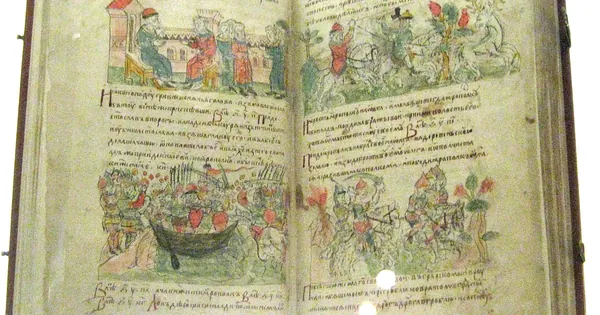
Raids, truces, marriages and an epic: the relationship between the Kipchaks and the Rus principalities was far more intertwined than is often assumed.
Person · 1091–1107
Other names: Bonyak, Bönek, Bönek Khan, Bönek Han, Boniak the Mangy, Uyuz Bönek
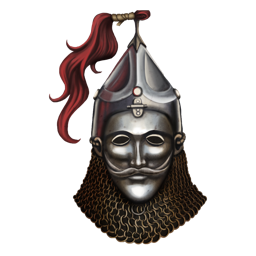
The famous chief of the Dnieper Kipchaks. In 1091 he fought on the side of Byzantium at Levounion together with Tugorkan, and in 1096 he raided the environs of Kyiv. The years indicate the period in which he appears in the sources.
Boniak, referred to in the Rus' chronicles by the epithet "the Mangy", became a symbol of the Kipchaks' direct intervention in Byzantine and Rus' politics. He is recorded as having plundered the Pechersk Monastery in Kyiv in 1096.
The chronicles also portray Boniak as a chief who practised divination by listening to the howling of wolves; this detail is one of the rare records concerning the Kipchak belief world. Because his exact homeland is unknown, he is not marked on the map.
Raids, truces, marriages and an epic: the relationship between the Kipchaks and the Rus principalities was far more intertwined than is often assumed.
From the eleventh century the Cuman-Kipchaks played a decisive role in Byzantine and Bulgarian history, and some of them were transferred to Anatolia by Byzantium. The thesis of a Cuman origin for the Pomaks, Cuman place names in the Balkans and the migrations of 1877–1968, examined with their sources.