Political History
The Kipchaks and Kievan Rus: A Century of Neighbourhood
Raids, truces, marriages and an epic: the relationship between the Kipchaks and the Rus principalities was far more intertwined than is often assumed.
Event · 1185
Other names: Battle of the Kayala, Tale of Igor's Campaign, The Lay of Igor's Campaign, Slovo o polku Igoreve, İgor Seferi, Kayala Savaşı, İgor Destanı, Novgorod-Severski knezi İgor'un seferi
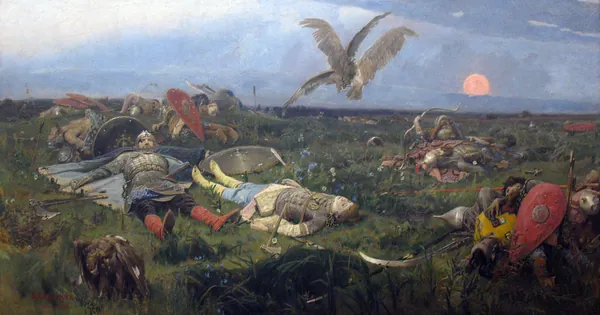
The campaign into the Kipchak steppe launched in the spring of 1185 by Igor Sviatoslavich, prince of Novgorod-Seversky, ended in victory for the Kipchaks led by Konchak and Gzak on the banks of the Kayala River. The event is the subject of the famous Old Rus' literary work, the Tale of Igor's Campaign. The location of the Kayala is unknown; the marker is approximate.
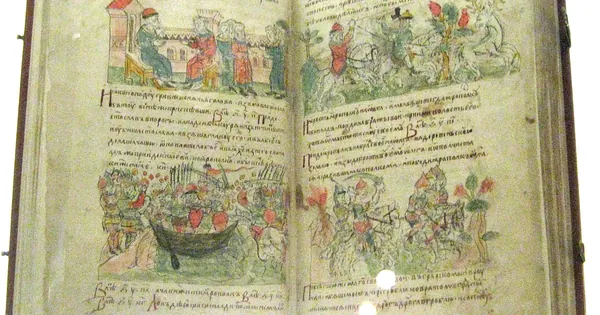
Igor set out into the steppe in April 1185 together with his brother and son; although he was successful in the first clash, a few days later he was surrounded on the banks of the Kayala and taken captive. The Hypatian Chronicle relates that during his captivity Konchak treated Igor with respect, and that Igor's son Vladimir married Konchak's daughter.
The Slovo o polku Igoreve (Tale of Igor's Campaign) recounts the campaign in poetic language and contains numerous details about the Kipchak world. The date of composition and the authenticity of the work were long debated; today most researchers date it to the end of the 12th century.
Which watercourse the Kayala River was is uncertain; various rivers between the Donets and the coasts of the Sea of Azov have been proposed. The location on the map indicates only the region.
Raids, truces, marriages and an epic: the relationship between the Kipchaks and the Rus principalities was far more intertwined than is often assumed.
A Belleten article that evaluates The Tale of Igor's Campaign, which recounts the defeat of the Rus' by the Cumans in 1185, as a source for Cuman-Kipchak history, and summarises Rus'–Cuman neighbourly relations between 1054 and 1250.