Who Were the Kipchaks? The Origins of the Name and the People
The Russians called them Polovtsians, the Byzantines Cumans, the Hungarians Kun. Where did the steppe people behind these names come from, and what did "Kipchak" mean?
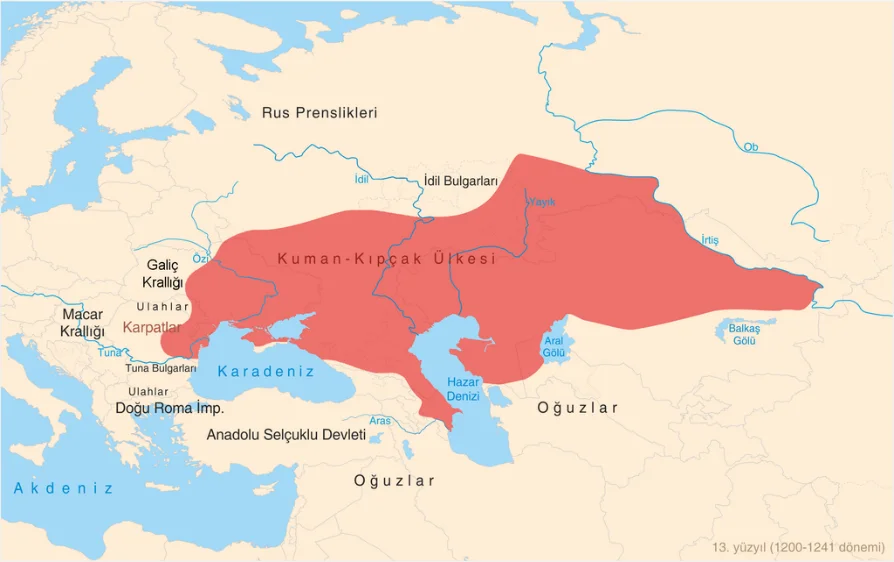
Concept · 1054–1240
Other names: Polovtsy, Polovets, Polovtsı, Polovetsler, Polovetslerin
The name used for the Kipchaks in the Rus' chronicles; it first appears in the entries for 1054–1055.
The Rus' chronicles refer to the Kipchaks as "Polovtsy". The name is often claimed to be related to a root meaning "pale, yellowish"; however, whether this describes hair colour or some other feature is debated. The TDV İslâm Ansiklopedisi notes that the common meaning of the Kipchaks' names in different languages (Kumanos, Polovets, Falben, Khartes, Kun) is "yellow, yellowish, pale".
The Russians called them Polovtsians, the Byzantines Cumans, the Hungarians Kun. Where did the steppe people behind these names come from, and what did "Kipchak" mean?
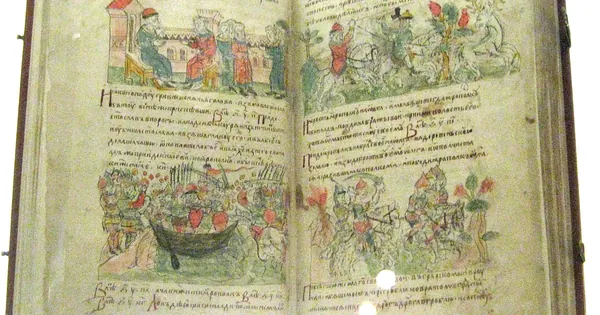
The Kipchaks were known by different names in the historical records. They were recorded as Kipchak or Kivchak in Arabic, Cuman in Byzantine sources, Polovtsy in Russian, Kun in Hungarian, Valwen in German, Pallidi in Latin sources and Kharteash in Armenian sources. Georgian sources trace the Kipchaks…
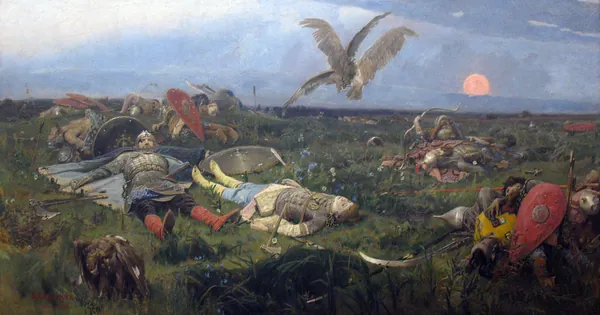
Raids, truces, marriages and an epic: the relationship between the Kipchaks and the Rus principalities was far more intertwined than is often assumed.
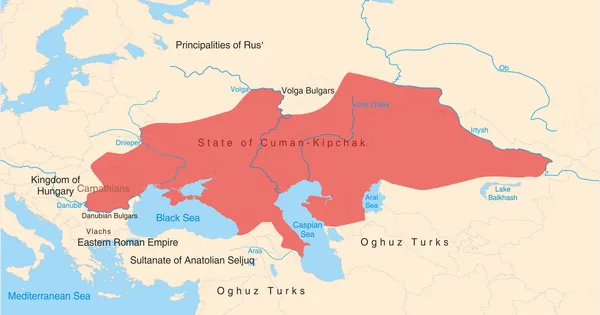
A geography named after a people: where did the Dasht-i Kipchak begin and end, and what was life like on this boundless steppe?
A manuscript kept in Venice is the richest surviving witness to the Cuman language spoken on the Black Sea coast seven hundred years ago.
The 'Kıpçaklar' (Kipchaks) entry of the TDV Encyclopaedia of Islam (history section). It summarises the names of the Kipchaks, their origin as a branch of the Kimeks, their arrival in Southern Russia in the 11th century, their relations with Byzantium and the Rus', their settlement in Georgia, the Mongol invasion, their flight to Hungary, the Kipchakids in Iraq, the Mamluk State and their changes of religion…
A Belleten article that evaluates The Tale of Igor's Campaign, which recounts the defeat of the Rus' by the Cumans in 1185, as a source for Cuman-Kipchak history, and summarises Rus'–Cuman neighbourly relations between 1054 and 1250.