Concept · 1050–1700

Dasht-i Kipchak

Other names: Desht-i Kipchak, Kipchak Steppe, Deşt-i Kıpçak, Deşti Kıpçak, Kıpçak Bozkırı, Kıpçak bozkırı

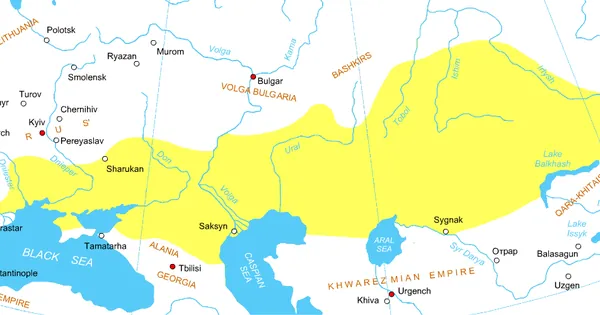
A Persian name meaning "Kipchak steppe"; the steppe belt stretching from the lower Danube basin to the Irtysh, dominated by Kipchak tribes from the 11th century onward.

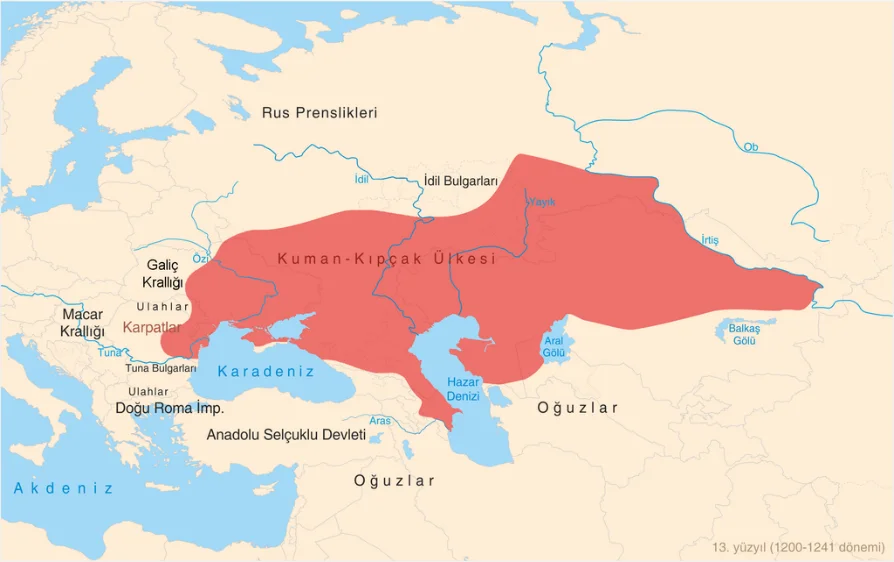
Used in Persian sources from the 11th century onward, this name referred to the vast grasslands stretching from north of the Black Sea to the Kazakh steppes. After the Mongol conquest the region became the centre of the Ulus of Jochi (Golden Horde); nevertheless, the name "Dasht-i Kipchak" survived for centuries.

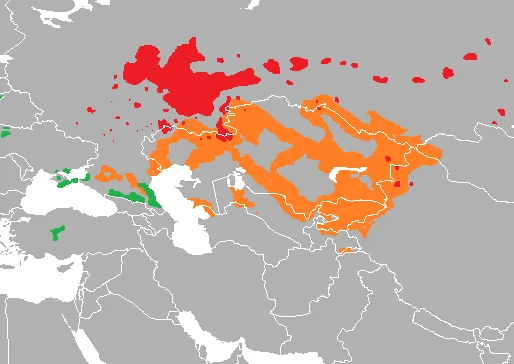
The region had no fixed borders; the Danube in the west, the Irtysh and the Balkhash area in the east, and the Black Sea, the Caucasus and the Caspian Sea in the south formed its natural boundaries.

Sources

  • Golden, P. B. An Introduction to the History of the Turkic Peoples. Wiesbaden, 1992.
  • "Kıpçaklar" maddesi, TDV İslâm Ansiklopedisi, c. 25.

Publications mentioning “Dasht-i Kipchak”

Language and Literature

Contemporary Kipchak Languages

Contemporary Kipchak is divided into four main branches: Northern Kipchak, Western Kipchak, Eastern Kipchak and Kyrgyz-Altai Kipchak. Contemporary Kipchak has been in use since the seventeenth century. Today about 30 million people speak one of the languages of this group.

Emre Emir 16 min 10
Origins and Identity

On the Çortan/Çorton/Curtan/Cordan/Yortan/Yordan Tribe of the Kipchaks

The article traces the settlement, from the Altai to Anatolia, of the Çortan tribe (Cordan/Curtan; Yortan/Yordan in Oghuz speech), one of the tribes of the Western Dasht-i Kipchak. It argues that the name means 'pike (fish)' in Cuman and many Turkic languages, that the tribe may be a remnant of the Kimeks, and that among the Kipchaks brought to Georgia by David II…

Mehmet Kıldıroğlu 2 min 1
Culture and Belief

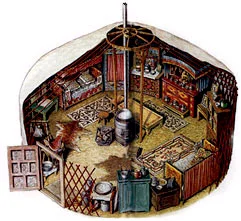
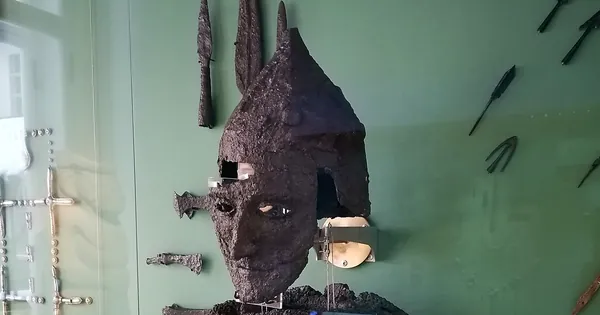
The Relationship between Crafts and Nomadism among the Cumans/Kipchaks

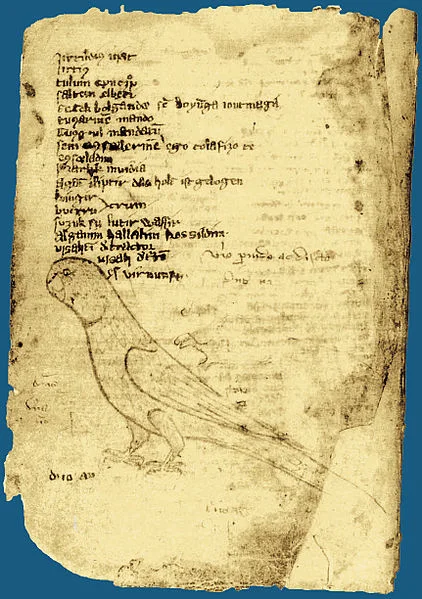
The article examines the production-based crafts of Cuman/Kipchak society (leatherworking, weaving, tailoring, felt- and carpet-making, metalworking, weapon-making, goldsmithing, vessel-making, milling, stone dressing, bone carving, carpentry) through archaeological finds and linguistic material (especially the Codex Cumanicus dictionary)…

Aslı Çandarlı Şahin 2016 2 min 1
Origins and Identity

On the Ethnonyms of the Kipchak Tribal Unions in the Western Dasht-i Kipchak at the Beginning of the 12th–13th Centuries

This is the Turkish translation of an article by the Kazakh historian B. E. Kumekov, published in Russian in 1993. Drawing on the lists in Arabic sources such as al-Nuwayri, Ibn Khaldun, Ibn Duqmaq and al-Dimashqi, it offers a comparative reading of the names of the 11 tribes that made up the Kipchak tribal union of the Western Dasht-i Kipchak (west of the Itil/Volga) in the 12th and early 13th centuries…

B. E. Kumekov 2001 2 min
Political History

The Kipchak Khanate

A Turkish text by the Kazakh historian Bolat Kumekov describing the political structure of the Kipchak Khanate in the Eastern Dasht-i Kipchak in the 11th–13th centuries, the Elbörili dynasty, its military-administrative organisation, its relations with the Khwarazmshahs, its economy (stockbreeding, hunting, fishing) and its tribal composition (the 16 peoples of the eastern ulus)…

Bolat Kumekov 2 min